
A prótese reversa de ombro é uma solução avançada para lesões irreparáveis do manguito rotador. Um ortopedista especializado indica o procedimento em casos de dor intensa, pseudoparalisia ou artropatia do manguito. Este guia explica indicações, funcionamento, recuperação e resultados da cirurgia.
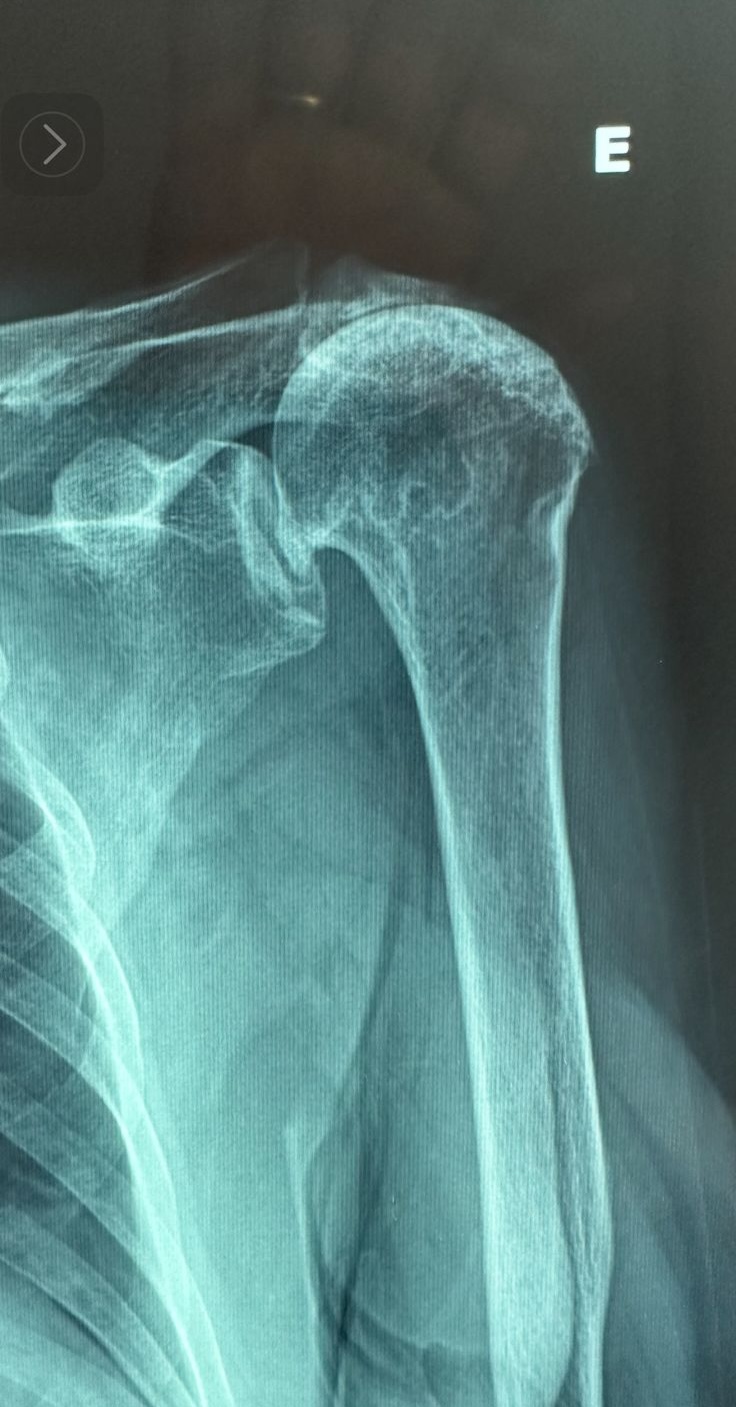
O que é a prótese reversa de ombro?
A prótese reversa de ombro é um procedimento cirúrgico indicado para pacientes com lesões irreparáveis do manguito rotador associadas à dor e perda funcional significativa.
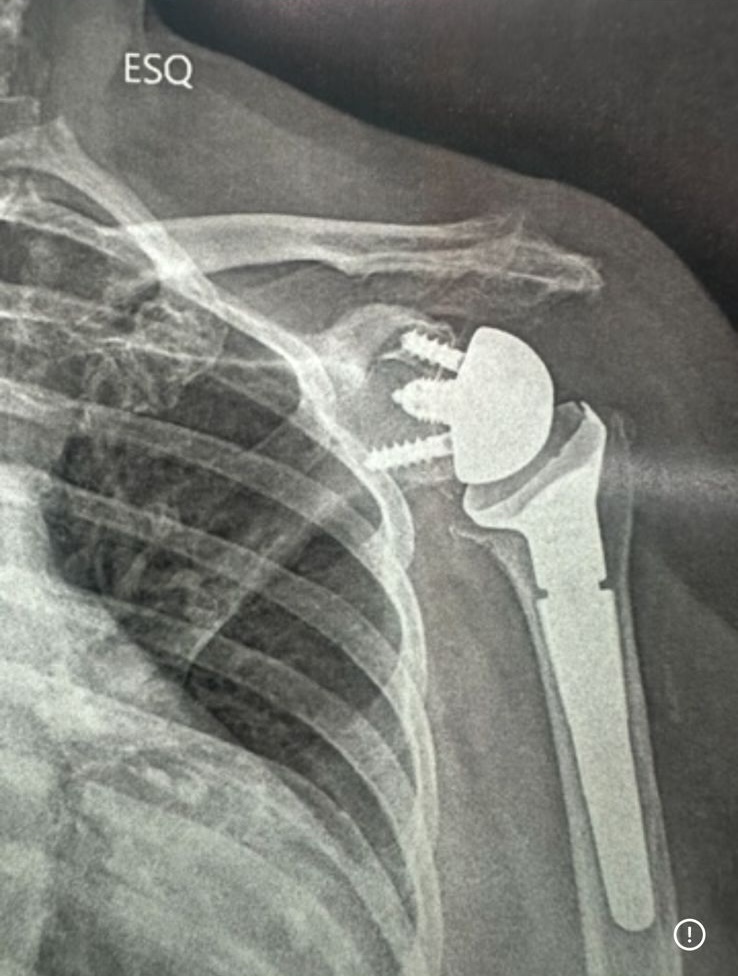
Diferente da prótese convencional, ela inverte a anatomia da articulação, permitindo que o músculo deltóide substitua a função do manguito rotador — conceito introduzido por Paul Grammont.
Essa mudança biomecânica possibilitou tratar casos previamente considerados sem solução cirúrgica eficaz.
(Matsen et al., JBJS 2007; Smithers et al., Curr Rev Musculoskelet Med 2011)
Evolução da lesão do manguito rotador
1. Progressão para artrose (Classificação de Hamada)
Rupturas crônicas do manguito rotador evoluem para degeneração progressiva da articulação, com migração superior da cabeça umeral e perda do espaço subacromial.
Esse processo é descrito pela classificação de Hamada e caracteriza a chamada artropatia do manguito rotador.
(Wall et al., JBJS 2007; Walch et al., J Shoulder Elbow Surg 2012)
2. Degeneração muscular (Classificação de Goutallier)
Com a progressão da lesão, ocorre infiltração gordurosa do músculo, tornando o reparo do tendão inviável — conforme descrito por Gérard Goutallier.
Esse achado é um dos principais critérios para indicação da prótese reversa. (Kozak et al., EFORT Open Rev 2021)
3. Pseudoparalisia do ombro
Nos estágios avançados, o paciente pode apresentar pseudoparalisia, caracterizada por:
- Incapacidade de elevação ativa acima de 90°
- Preservação parcial do movimento passivo
- Perda funcional importante
Esse quadro representa uma indicação clássica da prótese reversa. (Matsen et al., JBJS 2007; Walch et al., JSES 2012)
Indicações da prótese reversa
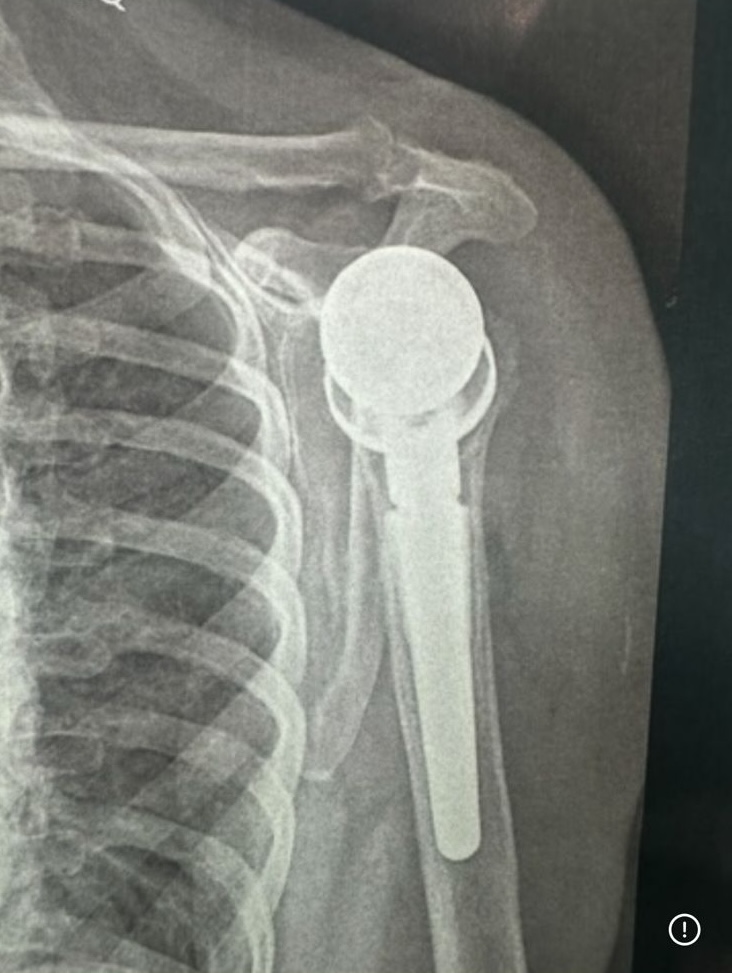
As principais indicações incluem:
- Artropatia do manguito rotador
- Lesões irreparáveis do manguito
- Artrose avançada com deficiência do manguito
- Fraturas complexas do úmero proximal
- Revisão de próteses
- Instabilidade associada
A indicação é mais frequente em pacientes acima de 65 anos, embora possa ser expandida em casos selecionados.
(Kozak et al., EFORT Open Rev 2021; Smithers et al., 2011)
Biomecânica e funcionamento da prótese
A prótese reversa altera o centro de rotação da articulação, permitindo:
- Aumento do braço de alavanca do deltóide
- Melhora da estabilidade
- Recuperação da elevação do braço
Estudos recentes destacam o papel da lateralização do centro de rotação, que melhora:
- Amplitude de movimento
- Tensão muscular
- Estabilidade da prótese
Conceitos amplamente estudados por Gilles Walch e colaboradores. (Bauer et al., J Clin Med 2021; Walch et al., JSES 2012)
Resultados clínicos e sobrevida da prótese
A prótese reversa apresenta excelentes resultados clínicos:
- Alta taxa de satisfação (>90%)
- Melhora significativa da dor
- Ganho funcional consistente
Estudos de longo prazo demonstram:
- Sobrevida da prótese entre 85- 90% em 10 anos
- Resultados duradouros em diferentes indicações
(Chelli et al., J Clin Med 2022; Bacle et al., JBJS 2017; Wall et al., JBJS 2007)
Fatores que influenciam os resultados
Os principais fatores prognósticos incluem:
- Idade
- Indicação cirúrgica
- Técnica operatória
- Experiência do cirurgião
A curva de aprendizado influencia diretamente os resultados e as complicações. (Walch et al., J Shoulder Elbow Surg 2012)
Complicações possíveis
Embora seja um procedimento seguro, podem ocorrer:
- Instabilidade/luxação
- Infecção
- Afrouxamento
- Fraturas periprotéticas
- Notching escapular
Fatores de risco para instabilidade incluem posicionamento inadequado dos componentes e tensão insuficiente do deltoide. (Guarrella et al., Shoulder Elbow 2021; Clavert et al., Int Orthop 2019)
Recuperação pós-operatória
A recuperação ocorre de forma progressiva:
0-4 semanas:
- Tipoia
- Controle da dor
- mobilização passiva
4-8 semanas:
- Inicio da mobilização ativa
2-4 meses:
- Fortalecimento muscular
4-6 meses:
- recuperação funcional mais completa
(Smithers et al., 2011; Kozak et al., 2021)
Conclusão
A prótese reversa de ombro representa uma solução altamente eficaz para casos complexos, permitindo restaurar função e aliviar a dor em pacientes com lesões irreparáveis do manguito rotador.
Quando bem indicada, oferece resultados previsíveis e duradouros, com impacto significativo na qualidade de vida.
REFERÊNCIAS BIBLIOGRÁFICAS
1. Gilles Walch et al. Do the indications, results, and complications of reverse shoulder arthroplasty change with surgeon’s experience? J Shoulder Elbow Surg. 2012.
2. Bauer S, Corbaz J, Athwal GS, Walch G, Blakeney WG. Lateralization in Reverse Shoulder Arthroplasty. J Clin Med. 2021.
3. Smithers CJ, Young AA, Walch G. Reverse shoulder arthroplasty. Curr Rev Musculoskelet Med. 2011.
4. Frederick A. Matsen III et al. The reverse total shoulder arthroplasty. JBJS Am. 2007.
5. Clavert P et al. Reverse shoulder arthroplasty for instability arthropathy. Int Orthop. 2019.
6. Guerrella V et al. Risk factors for instability after reverse shoulder arthroplasty. Shoulder Elbow. 2021.
7. Kozak T et al. An update on reverse total shoulder arthroplasty. EFORT Open Rev. 2021.
8. Chelli M et al. Survivorship of reverse shoulder arthroplasty. J Clin Med. 2022.
9. Lévigne C et al. Reverse shoulder arthroplasty in rheumatoid arthritis. J Shoulder Elbow Surg. 2021.
10. Wall B et al. Reverse total shoulder arthroplasty: results according to etiology. JBJS Am. 2007.
11. Bacle G et al. Long-term outcomes of reverse shoulder arthroplasty. JBJS Am. 2017
12. Walch G et al. Impact of surgeon experience. J Shoulder Elbow Surg, 2012.
VERSÃO EM INGLES
Reverse Shoulder Arthroplasty: A Complete Guide for Patients
What is reverse shoulder arthroplasty?
Reverse shoulder arthroplasty is a surgical procedure indicated for patients with irreparable rotator cuff tears associated with pain and significant functional loss.
Unlike conventional shoulder replacement, it reverses the joint anatomy, allowing the deltoid muscle to compensate for the deficient rotator cuff – a concept introduced by Paul Grammont.
This biomechanical change made it possible to treat conditions that were previously considered to have no effective surgical solution.
(Matsen et al., JBJS 2007; Smithers et al., Curr Rev Musculoskelet Med 2011)
Progression of rotator cuff disease
1. Progression to arthritis (Hamada Classification)
Chronic rotator cuff tears can lead to progressive joint degeneration, with superior migration of the humeral head and loss of the subacromial space.
2. Muscle degeneration (Goutallier Classification)
As the condition progresses, fatty infiltration of the muscle occurs, making tendon repair unfeasible — as described by Gérard Goutallier. This finding is one of the main criteria for indicating reverse shoulder arthroplasty.
This finding is one of the main criteria for indicating reverse shoulder arthroplasty.
(Kozak et al., EFORT Open Rev 2021)
3. Shoulder pseudoparalysis
In advanced stages, patients may develop pseudoparalysis, characterized by:
Inability to actively elevate the arm above 90° Partial preservation of passive motion Significant functional impairment
This condition represents a classic indication for reverse shoulder arthroplasty.
(Matsen et al., JBJS 2007; Walch et al., JSES 2012)
Indications for reverse shoulder arthroplasty
The main indications include:
Rotator cuff arthropathy Irreparable rotator cuff tears Advanced osteoarthritis with cuff deficiency Complex proximal humerus fractures Revision arthroplasty Associated instability
The indication is more common in patients over 65 years old, although it may be expanded to selected cases.
(Kozak et al., EFORT Open Rev 2021; Smithers et al., 2011)
Biomechanics and prosthesis function
Reverse shoulder arthroplasty alters the joint’s center of rotation, allowing:
Increased deltoid lever arm Improved stability Restoration of arm elevation
Recent studies highlight the importance of lateralization of the center of rotation, which improves:
Range of motion Muscle tension Prosthetic stability
These concepts have been extensively studied by Gilles Walch and collaborators.
(Bauer et al., J Clin Med 2021; Walch et al., JSES 2012)
Clinical outcomes and implant survivorship
Reverse shoulder arthroplasty demonstrates excellent clinical outcomes:
High satisfaction rates (>90%) Significant pain relief Consistent functional improvement
Long- term studies show:
Implant survivorship of approximately 85 – 90% at 10 years Durable results across different indications
(Chelli et al., J Clin Med 2022; Bacle et al., JBJS 2017; Wall et al., JBJS 2007)
Factors influencing outcomes
Key prognostic factors include:
- Patient age
- Surgical indication
- Surgical technique
- Surgeon experience
The learning curve has a direct impact on both outcomes and complication rates.
(Walch et al., J Shoulder Elbow Surg 2012)
Possible complications
Although generally safe, complications may occur:
- Instability/dislocation
- Infection
- Loosening
- Periprosthetic fractures
- Scapular notching
Risk factors for instability include improper component positioning and insufficient deltoid tension.
(Guarrella et al., Shoulder Elbow 2021; Clavett et al., Int Orthop 2019)
Postoperative recovery
Recovery occurs progressively:
0-4 weeks:
Sling immobilization Pain control Passive motion
4-8 weeks:
Initiation of active motion
2-4 months:
Muscle strengthening
4-6 months:
More complete functional recovery
(Smithers et al., 2011; Kozak et al., 2021)
Conclusion
Reverse shoulder arthroplasty is a highly effective solution for complex cases, allowing restoration of function and pain relief in patients with irreparable rotator cuff tears.
REFERENCES
1. Gilles Walch et al. Do the indications, results, and complications of reverse shoulder arthroplasty change with surgeon’s experience? J Shoulder Elbow Surg. 2012.
2. Bauer S, Corbaz J, Athwal GS, Walch G, Blakeney WG. Lateralization in Reverse Shoulder Arthroplasty. J Clin Med. 2021.
3. Smithers CJ, Young AA, Walch G. Reverse shoulder arthroplasty. Curr Rev Musculoskelet Med. 2011.
4. Frederick A. Matsen III et al. The reverse total shoulder arthroplasty. JBJS Am. 2007.
5. Clavert P et al. Reverse shoulder arthroplasty for instability arthropathy. Int Orthop. 2019.
6. Guerrella V et al. Risk factors for instability after reverse shoulder arthroplasty. Shoulder Elbow. 2021.
7. Kozak T et al. An update on reverse total shoulder arthroplasty. EFORT Open Rev. 2021.
8. Chelli M et al. Survivorship of reverse shoulder arthroplasty. J Clin Med. 2022.
9. Lévigne C et al. Reverse shoulder arthroplasty in rheumatoid arthritis. J Shoulder Elbow Surg. 2021.
10. Wall B et al. Reverse total shoulder arthroplasty: results according to etiology. JBJS Am. 2007.
11. Bacle G et al. Long-term outcomes of reverse shoulder arthroplasty. JBJS Am. 2017
12. Walch G et al. Impact of surgeon experience. J Shoulder Elbow Surg, 2012.
